Reliable Home Builder Services for Your Dream Project
Finding a reliable home builder is an critical step in realizing one's dream home possible. Essential qualities, such as strong project management and straightforward budgeting, can greatly impact the end result. In addition, understanding the key services a builder should provide is equally important. As homeowners proceed through this challenging process, several factors warrant thorough thought. What specific attributes should one emphasize when selecting a builder for this major investment?
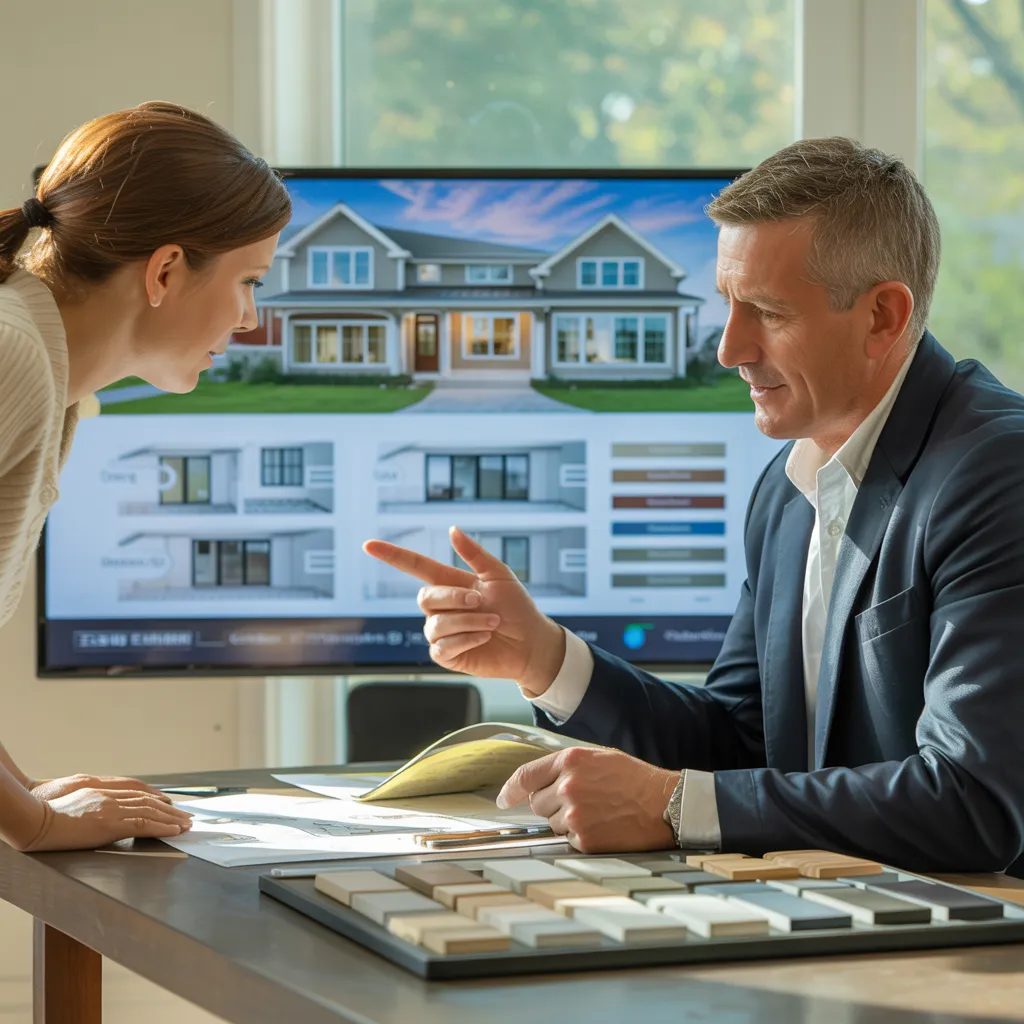
Essential Qualities of a Trustworthy Home Contractor
When identifying a home builder, comprehending the essential qualities that establish a reliable professional is critical. Integrity leads the way; a credible builder upholds transparency in all dealings, ensuring clients are informed and comfortable throughout the process. Expertise also serves as an important factor; seasoned builders hold the understanding to navigate challenges proficiently and can guide clients through design and regulatory complexities.
In addition, strong communication skills are vital, as they allow transparent exchanges and prompt responses to customer needs. A credible contractor should also demonstrate a pledge to excellence, using durable materials and masterful workmanship to secure sustained outcomes. Finally, positive client testimonials and a solid portfolio indicate a builder's reputation and reliability. By recognizing these key qualities, clients can decide with confidence and select a contractor who resonates with their aspirations and standards.
Key Services a Quality Home Builder Should Offer
A quality home builder delivers a range of vital services that ensure a effortless and successful construction process. First, they provide comprehensive design and planning services, which involve consultations to comprehend the client's vision and preferences. This confirms that the project matches the homeowner's expectations from the outset.
Furthermore, a trustworthy builder manages all required permits and legal adherence, streamlining the often complex legal requirements of construction. They also offer project management services, organizing subcontractors, materials, and timelines efficiently to minimize delays and disruptions.
Furthermore, reputable home builders often offer transparent budgeting and cost estimation, enabling clients to choose wisely throughout the project. After construction, many builders deliver services such as warranties and post-construction support, ensuring lasting contentment. By offering these vital offerings, a reliable home builder plays a crucial part in converting a dream project into a reality.
Principal Standards for Assessing a Builder's Body of Work
When reviewing a construction company's portfolio, several key criteria emerge as vital signs of quality. Project variety and scope, quality of work, and design consistency play significant roles in determining a contractor's capacity to fulfill diverse client needs. These factors together offer insight into the builder's experience and overall creative direction.
Project Variety and Range
Project diversification and extent function as key indicators in assessing a builder's portfolio. A diverse range of projects exhibits the builder's flexibility and know-how in handling different styles and needs. This includes residential homes, renovations, and commercial spaces, highlighting the builder's ability to accommodate diverse client needs. Reviewing the scope also involves considering project sizes, from small-scale remodels to expansive custom builds. A builder with experience across various project types shows a deep understanding of industry standards and challenges. In addition, a comprehensive portfolio reflects a builder's ability to innovate and customize solutions, ensuring they can bring a client's vision to life, no matter the complexity or scale. This variety ultimately enhances a builder's reputation and reliability.
Caliber of Craftsmanship
Quality of workmanship serves as a critical factor in evaluating a builder’s portfolio, reflecting the expertise and attention to detail that define their work. Prospective homeowners should closely examine completed projects, noting the accuracy in finishes, structural integrity, and overall aesthetics. High-quality craftsmanship often showcases premium materials and methods, evident in smooth surfaces, properly aligned fixtures, and durable installations. Builders who prioritize craftsmanship typically exhibit a commitment to excellence, ensuring that each element meets high standards. Additionally, client testimonials can provide insights into the builder's reliability and dedication to quality. By reviewing craftsmanship, homeowners can make informed decisions, ensuring their chosen builder aligns with their vision for a well-executed project.
Consistent Design and Style
Design consistency and style are essential elements in assessing a builder's portfolio, as they reflect the overall vision and aesthetic coherence of completed projects. A portfolio showcasing varied designs may suggest versatility; however, it should still preserve a recognizable style that matches the builder's brand. Clients should look for balanced color palettes, complementary materials, and cohesive architectural features across different homes. Careful consideration in design elements, such as trim and lighting, further exemplifies a builder's commitment to consistent style. Additionally, noting how a builder adapts their design principles while still achieving a cohesive look across multiple projects can offer insight into their creative capabilities. Ultimately, design consistency guarantees clients that their vision will be actualized seamlessly.
Why Plain Speaking Counts in Home Building
Dialogue that is clear plays a key role in home building, as it establishes the groundwork for setting expectations among all stakeholders involved. When problems surface, effective dialogue allows for quick problem-solving, reducing delays and confusion. Additionally, transparent communication builds relationships built on trust, which are critical for successful project completion.
Creating Clear Guidelines From the Start
Effective exchange of information plays an essential role in the home building process, creating the foundation for a successful project. Clear expectations between homeowners and builders must be established to prevent misunderstandings. This requires outlining timelines, budget constraints, and design preferences from the very beginning. When these expectations are communicated properly, both parties can unify their visions and goals, resulting in a smoother workflow. Through regular updates and open dialogue, transparency is maintained, helping homeowners to stay involved and informed during the project. Additionally, clear expectations empower builders to manage resources efficiently, avoiding delays and potential conflicts. By focusing on clear communication, homeowners and builders can work together effectively to realize the dream project without unnecessary complications. In the end, this strategy boosts satisfaction and trust in the home building experience.
Facilitating Rapid Problem-Solving
Handling the complications of home building commonly necessitates rapid decision-making and problem-solving. Open communication among builders, clients, and subcontractors is necessary for managing unexpected challenges smoothly. When issues arise, timely and transparent dialogue allows for immediate identification of problems, reducing delays and minimizing stress. Builders focusing on transparent communication are able to promptly share information, guaranteeing all involved are on the same page about solutions. This proactive approach not only facilitates rapid resolutions but also empowers clients to make informed choices. By encouraging a culture centered on clear communication, home builders strengthen their capability to manage difficulties effectively, ultimately aiding in successful project delivery and stakeholder contentment.
Enhancing Reliable Relationships
Building credence among all participants involved in home construction is highly dependent on consistent communication. Clear find out about this dialogue promotes collaboration between homeowners, builders, and subcontractors, ensuring everyone is aligned on project goals and expectations. Regular updates and open channels for feedback allow the timely resolution of concerns, reducing misunderstandings. When builders explain timelines, budgets, and potential obstacles transparently, homeowners feel more secure in their investments. Additionally, establishing rapport encourages a cooperative atmosphere, which can lead to innovative solutions and creative input. Ultimately, by prioritizing effective communication, all stakeholders can forge stronger relationships, paving the way for successful projects and satisfied clients. This trust enhances the overall experience, making the home-building journey more enjoyable and less stressful.
Understanding How to Budget Your Home Spending Intelligently
How can homeowners guarantee their financial matters align with their dream home dreams? A well-structured budget is important for making informed choices. First, property owners should assess their monetary standing by figuring total income, active financial burdens, and recurring expenses. This assessment helps ascertain a workable financial plan for home construction.
Next, formulating a thorough list of budgeted costs is essential. Property owners should include land acquisition, materials, labor, permits, and unexpected costs, often known as a reserve fund. Establishing a order of importance for features can direct spending and guarantee core requirements are funded first.
Furthermore, property owners should review funding alternatives, such as loans, grants, or accumulated funds, to secure required resources. Regularly assessing expenses against the spending plan can help preserve financial discipline throughout the undertaking. By sticking with these methods, homeowners can effectively manage their finances and accomplish their ideal home goals without overspending.
Understanding What Happens in the Residential Construction Process
As homeowners embark on the mission of establishing their desired property, recognizing the various stages of the building process is necessary for a desired achievement. The sequence typically initiates with initial planning stages, where homeowners work with builders to establish specifications, finances, and deadlines.
Once plans are authorized, the foundation work begins, which includes site preparation and pouring the foundation. Following this, the framing stage creates the home's structure, enabling a better vision of the final product. After framing, utilities such as plumbing, wiring, and HVAC systems are installed.
Finally, external and internal finishes are put in place, transforming the area into a functional home. The ultimate phase requires inspections and securing necessary approvals before closing. Throughout this journey, open communication with contractors guarantees that the project remains on schedule, reflecting the homeowners' vision and expectations.
Common Inquiries Asked Regularly
How Can I Identify the Perfect Home Builder for My Undertaking?
To find the appropriate home builder, one should study their reputation, look at past developments, verify licenses and insurance, assess communication styles, and secure detailed estimates. Word-of-mouth referrals and digital feedback can also deliver helpful information.
What Coverage Do Home Builders Commonly Extend?
Home builders typically offer warranties that address structural problems, workmanship, and materials. Standard durations extend from one to ten years, ensuring defense from substantial problems emerging after construction, fostering purchaser trust and satisfaction.
Am I Allowed to Implement Adjustments During the Building Phase?
Changes during the construction timeline are generally possible, but they may rely on the contract and stage of construction. Homeowners should liaise with builders promptly to discuss options and any potential impacts on timelines and costs.
What Duration Should You Expect for a Standard Home Build?
A standard home project generally requires 6 to 12 months, based on various considerations such as architectural scope, location factors, and weather. Delays can take place, altering the complete duration of the building endeavor.
What must I take if setbacks develop during Construction?
If complications develop during the building process, the property owner should document the problems, communicate promptly with the construction company, and pursue resolution. If required, seeking legal advice or a neutral third party may help address major disagreements effectively.